
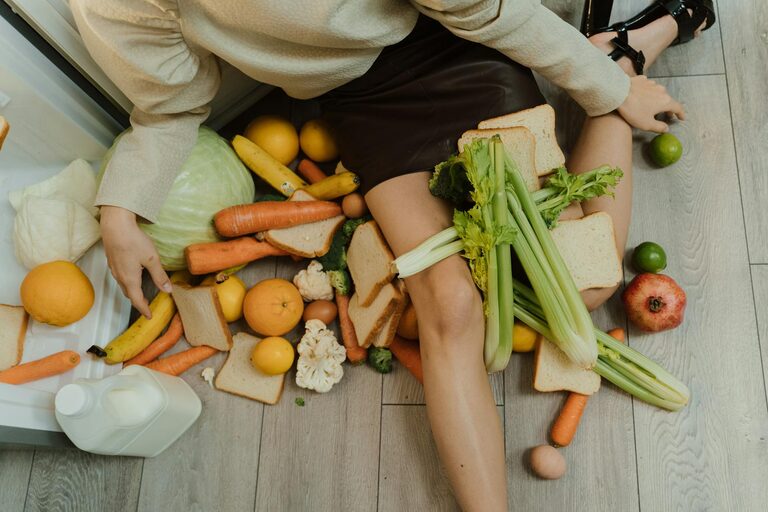
Effective Ways to Reduce Food Waste at Home
Reducing food waste at home is a practical way to save money, conserve resources, and contribute to a healthier environment. Every year, millions of tons of food are thrown away globally, much of which could have been consumed or repurposed. By making small changes in how you shop, store, and prepare food, you can make a big difference. This post outlines effective strategies to minimize food waste in your household.
Understanding Food Waste
Before diving into tips, it’s helpful to understand what food waste means. Food waste occurs when edible food is discarded or lost along the supply chain — from production to consumption. At home, most waste happens because food spoils before it can be eaten, portions are too large, or leftovers are thrown out. Being mindful of these causes is the first step to change.
Plan Your Meals and Shopping
Make a Weekly Meal Plan
Planning meals ahead of time helps you buy only what you need. When you know what you’ll cook and eat, it reduces impulsive purchases that might go unused. Try creating a weekly menu that fits your schedule and preferences.
Create a Detailed Shopping List
Write a shopping list based on your meal plan, and stick to it when you go grocery shopping. Avoid buying items just because they look appealing or are on sale if you don’t have a use for them.
Shop Smart: Avoid Bulk Buys Unless Necessary
Bulk purchases can be economical but may lead to waste if you can’t consume everything before it spoils. For perishable items, buy quantities you can realistically use.
Store Food Properly
Understand Food Storage Basics
Improper storage is a major factor in food spoilage. For example, some fruits and vegetables last longer in the fridge, while others do better at room temperature.
Use Airtight Containers and Proper Packaging
Store leftovers and opened items in clear, airtight containers to maintain freshness and avoid odors mixing. Label containers with dates to keep track of what needs to be eaten soon.
Regularly Check Your Fridge and Pantry
Make a habit of checking your fridge and pantry weekly to see what needs to be used. Move older items to the front so they get eaten first—this method is often called “first in, first out.”
Cook Smart and Use Leftovers
Prepare Appropriate Portion Sizes
Cooking the right amount reduces uneaten food that ends up being tossed. Start with smaller portions; you can always make more if needed.
Repurpose Leftovers Creatively
Instead of throwing away leftovers, try turning them into new meals. For example, roasted vegetables can become soups or frittatas. Stale bread can be toasted or made into breadcrumbs.
Use Food Efficiently
Consume “Ugly” Produce
Often, perfectly good fruits and vegetables are discarded because of blemishes or imperfect shapes. Using these items helps reduce waste and can be just as nutritious and tasty.
Pay Attention to Expiration Dates
Understand the difference between “best before” and “use by” dates. “Best before” refers to quality, meaning foods can still be safe after the date but might not be at peak freshness.
Compost Food Scraps
Start a Compost Bin
Food scraps like vegetable peels, coffee grounds, and eggshells can be composted instead of thrown away. Compost enriches soil, reduces landfill waste, and can be a rewarding gardening activity.
Use Compostable Bags and Kitchen Bins
Having a designated kitchen bin or compostable bag makes collecting scraps easier and more organized.
Educate Your Household
Share Tips with Family Members
Making food waste reduction a team effort helps ensure everyone contributes. Encourage family members and roommates to follow best practices around meal planning, storage, and leftovers.
Involve Children in Waste Reduction
Teaching kids about food waste encourages lifelong habits. Simple activities like helping plan meals or learning about composting can be fun and educational.
Embrace Mindful Eating Habits
Eat Before You Buy More Food
Avoid stockpiling food without finishing what you have. Practice mindful eating to appreciate what you currently own.
Freeze Excess Food
Freezing is an easy way to extend the life of many foods. Leftover cooked meals, bread, fruits, or even herbs can be frozen and used later.
—
Reducing food waste at home doesn’t have to be complicated or time-consuming. By adopting thoughtful shopping habits, proper food storage, smart cooking, and creative use of leftovers, you can make a positive impact for your wallet and the planet. Start with one or two changes this week and build from there—small steps add up!
